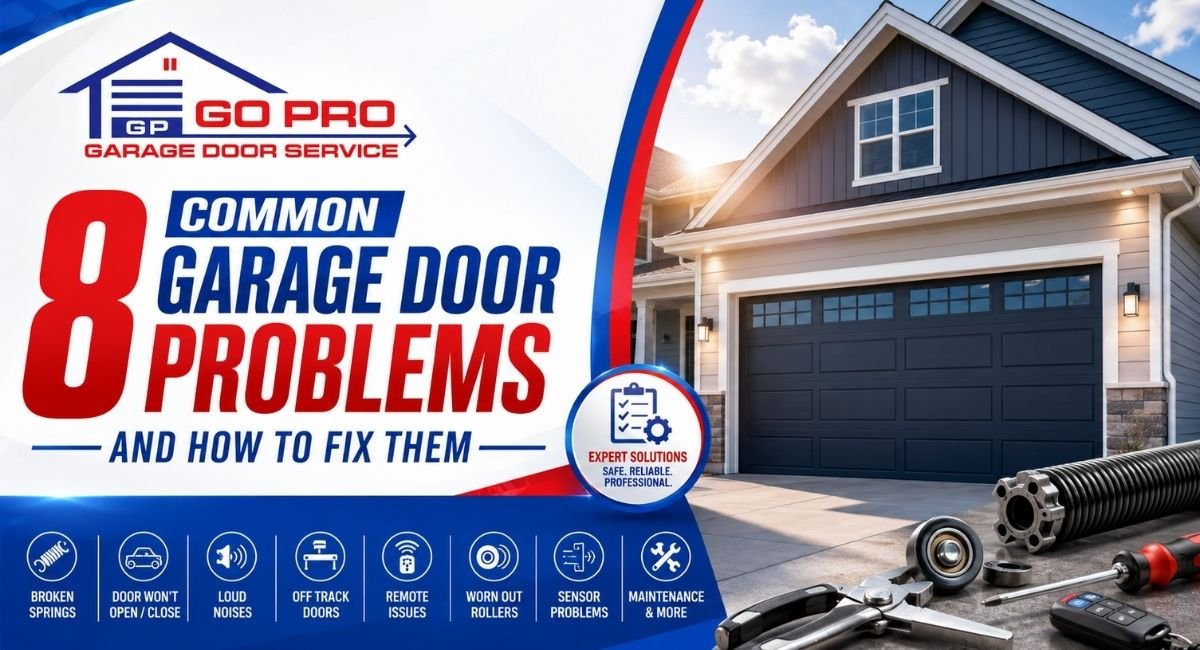
A garage door is one of the largest moving systems in your home, and most homeowners in Orlando only notice it when something goes wrong. One day the door opens smoothly, and the next morning, it refuses to move, gets stuck halfway, or starts making loud grinding sounds that echo through the neighborhood.
Garage door issues are common because these systems handle daily use, changing weather conditions, and constant mechanical stress. In Central Florida, high humidity, heat, rain, and sudden storms can speed up wear on springs, rollers, tracks, and openers. Even a well-built garage door can develop problems over time without regular inspection and maintenance.
When a garage door stops working properly, it creates more than an inconvenience. A malfunctioning door can affect home security, delay your morning routine, increase safety risks, and potentially damage vehicles or property. Some issues are simple enough for homeowners to troubleshoot on their own, while others require immediate professional repair due to the risk of injury.
Understanding the most common garage door problems helps homeowners identify warning signs early, avoid costly repairs, and make informed decisions about maintenance or replacement. This guide explains the causes behind common garage door failures, practical troubleshooting steps, and when it is safer to contact a trained technician.
For homeowners looking for professional support in Central Florida, services such as Garage Door Services in Orlando, FL and Garage Door Repair in Deland, FL can help address both emergency repairs and preventive maintenance.
Why Garage Doors Develop Problems Over Time
Garage doors are complex systems made of interconnected moving parts. Every time the door opens or closes, components such as springs, rollers, hinges, cables, tracks, and the opener work together under tension. Over months and years, these parts naturally wear down.
Daily wear and tear
The average garage door opens and closes several times a day. For many Orlando families, the garage is the primary entrance to the home. That means the door may complete over 1,500 cycles every year.
Repeated movement places stress on torsion springs, rollers, cables, and hinges. Metal parts gradually weaken, bolts loosen, and friction increases. Without maintenance, these small issues can eventually lead to major mechanical failures.
Weather exposure
Florida weather creates additional strain on garage door systems. High humidity can lead to rust and corrosion, especially on springs and tracks. Intense heat can affect lubricants and electronic opener components. Storms and strong winds may also impact door alignment.
Wood garage doors are especially vulnerable to moisture damage, while steel doors may develop rust if protective coatings wear off.
Lack of maintenance
Many homeowners do not service their garage door until something breaks. Unfortunately, neglected maintenance often leads to expensive repairs that could have been prevented.
Simple maintenance tasks such as lubricating moving parts, tightening hardware, checking balance, and cleaning sensors can extend the lifespan of the system significantly.
A seasonal tune-up, like the services offered through Garage Door Tune-Up Services, can help identify issues before they become serious.
Aging hardware and moving parts
Garage door components are not designed to last forever. Springs generally last between 10,000 and 20,000 cycles. Rollers wear down over time, tracks can bend, and opener motors eventually weaken.
Older garage doors may also lack modern safety features, making repairs and upgrades increasingly important for long-term reliability.
Garage Door Won’t Open
One of the most frustrating garage door problems occurs when the door refuses to open entirely. This issue may stem from electrical failures, broken mechanical components, or opener malfunctions.
Dead remote batteries
Before assuming a major problem exists, check the remote batteries. Weak or dead batteries are one of the simplest and most common causes of opener failure.
Replace the batteries and test the remote again. If the wall-mounted control works but the remote does not, the issue is likely isolated to the remote itself.
Power source issues
Garage door openers rely on electrical power. If the opener suddenly stops responding:
- Check whether the opener is plugged in
- Inspect the circuit breaker
- Test the outlet with another device
- Verify that a GFCI outlet has not tripped
Power interruptions during storms are especially common in Orlando during hurricane season.
Broken torsion springs
If the opener sounds like it is working but the door does not move, a broken torsion spring may be the cause. Springs counterbalance the heavy weight of the garage door. When a spring breaks, the opener may struggle or fail completely.
Signs of a broken spring include:
- A loud snapping sound
- Visible gaps in the spring
- Heavy manual door movement
- Crooked door positioning
Spring replacement should never be treated as a casual DIY repair because the tension stored in the springs can cause severe injury.
Homeowners experiencing this issue often require professional Broken Spring Replacement Services.
Opener motor failure
Garage door opener motors wear down over time. Older units may overheat, produce humming noises, or stop functioning altogether.
Common signs of opener motor problems include:
- Slow door movement
- Intermittent operation
- Excessive vibration
- Grinding noises
- Complete lack of response
In some cases, repairing the motor is possible. In others, replacement is the more cost-effective option.
Step-by-step troubleshooting
If your garage door will not open, follow these steps:
- Check the opener power supply
- Replace remote batteries
- Test the wall control panel
- Inspect the springs visually
- Confirm the emergency release is engaged correctly
- Examine tracks for obstructions
- Listen for unusual opener noises
If the door remains stuck or appears uneven, stop troubleshooting and contact a technician.
Garage Door Won’t Close Properly
A garage door that opens but refuses to close can leave your home exposed and unsecured. Modern garage doors include several safety systems that may interrupt closing when a problem is detected.
Misaligned safety sensors
Garage door safety sensors are mounted near the floor on both sides of the opening. These sensors prevent the door from closing if an object or person is detected.
If the sensors become misaligned, the door may reverse immediately after starting to close.
Signs of sensor issues include:
- Blinking sensor lights
- Door reversing unexpectedly
- Door refusing to move downward
Clean the sensor lenses and confirm they face each other evenly.
Obstructions in the track
Small debris, dirt buildup, or damaged tracks can prevent smooth movement. Inspect the tracks carefully for:
- Leaves
- Mud
- Loose objects
- Bent sections
- Rust buildup
Never force the door closed if resistance is present.
Sensor wiring issues
Loose or damaged wiring can interrupt communication between the sensors and opener. Rodents, moisture, or accidental impacts may damage low-voltage wires.
Visible fraying or disconnected wires should be inspected by a technician.
Limit setting adjustments
Garage door openers use travel limit settings to determine how far the door moves. Incorrect settings may cause the opener to believe the door has reached the floor before it actually closes.
Many opener systems include adjustment screws or digital controls for limit settings. Consult the manufacturer’s manual before making adjustments.
Noisy Garage Door Problems
A noisy garage door is more than an annoyance. Grinding, squeaking, rattling, or banging sounds often indicate worn or damaged components.
Squeaking rollers
Rollers help the garage door glide smoothly along the tracks. Over time, rollers may dry out or wear down.
Plastic rollers tend to become noisy sooner than nylon or steel rollers. Replacing worn rollers often improves both performance and noise levels.
Loose hardware
Garage doors vibrate during operation, gradually loosening nuts, bolts, brackets, and hinges.
Homeowners should periodically inspect and tighten visible hardware using the correct tools. Avoid overtightening components connected to spring systems.
Lack of lubrication
One of the most common causes of garage door noise is insufficient lubrication.
Moving parts that require lubrication include:
- Rollers
- Hinges
- Springs
- Bearings
- Tracks
Dry metal-on-metal contact creates friction and increases wear.
Worn-out hinges and bearings
Worn bearings and hinges may produce grinding or popping sounds. If left unaddressed, these parts can eventually fail and damage surrounding components.
Professional inspection is recommended if loud noises continue after lubrication.
Best lubricants to use
Use garage door lubricants specifically designed for moving metal parts. Silicone-based sprays and lithium grease are commonly recommended.
Avoid using heavy grease or products like WD-40 as a primary lubricant because they can attract dirt and debris.
A detailed maintenance routine can be found in this Garage Door Maintenance Checklist.
Garage Door Opens Unevenly
An uneven garage door is both dangerous and damaging. If one side rises faster than the other, the system may be experiencing cable, spring, or track issues.
Broken cables
Garage door cables work alongside the springs to lift and lower the door evenly.
Frayed or snapped cables can cause:
- Crooked door movement
- Jerking motion
- Door imbalance
- Sudden drops
Cable repairs should always be handled carefully because cables operate under high tension.
Professional Garage Door Cable Repair Services are often necessary for safe correction.
Spring tension imbalance
When springs lose tension unevenly, the garage door may tilt during movement.
This issue places extra strain on:
- The opener
- Rollers
- Tracks
- Hinges
Ignoring spring imbalance can lead to complete system failure.
Track alignment problems
Tracks guide the garage door during operation. Bent or misaligned tracks can cause uneven movement and increased friction.
Common causes include:
- Vehicle impacts
- Loose mounting brackets
- Foundation shifting
- Wear over time
Track alignment requires precision to ensure smooth and safe operation.
When to call a technician
Homeowners should stop operating the garage door immediately if:
- The door appears crooked
- Cables are loose or hanging
- The door jerks violently
- One side rises higher than the other
Continuing to use the door may worsen the damage or create injury risks.
Garage Door Gets Stuck Halfway
A garage door that stops midway is a common issue that can disrupt daily routines and compromise security.
Track blockage
Debris or damaged track sections may interrupt door movement.
Inspect the tracks for:
- Dirt buildup
- Bent metal
- Loose hardware
- Small obstructions
Even small objects can stop rollers from moving smoothly.
Sensor interruption
Safety sensors can also trigger mid-cycle reversals if they detect movement or communication problems.
Direct sunlight, common in Florida garages, can occasionally interfere with sensor operation.
Opener sensitivity settings
Most garage door openers include force and sensitivity settings designed to prevent injury.
If the sensitivity is too high, the opener may interpret normal resistance as an obstruction and stop prematurely.
Incorrect adjustments can create safety hazards, so homeowners should follow manufacturer recommendations carefully.
Damaged rollers
Damaged rollers may bind within the tracks, causing the door to pause or stop.
Signs of roller damage include:
- Cracks
- Flat spots
- Excessive wobbling
- Loud grinding sounds
Replacing damaged rollers can restore smooth operation.
Garage Door Remote or Keypad Not Working
Remote and keypad problems are especially frustrating when homeowners are locked outside during heavy rain or late at night.
Signal interference
Wireless interference may interrupt communication between the remote and opener.
Potential sources include:
- LED lighting
- Nearby electronics
- Wi-Fi routers
- Radio frequency interference
Testing the remote closer to the opener can help identify signal problems.
Reprogramming the remote
Garage door remotes occasionally lose programming after power outages or battery replacement.
Most opener brands such as LiftMaster, Chamberlain, Genie, and Craftsman include a learn button for reprogramming.
Consult the manufacturer’s instructions for exact programming procedures.
Weak batteries
Weak batteries can reduce signal strength and cause inconsistent operation.
Replace both keypad and remote batteries regularly, especially before storm season.
Smart opener connectivity issues
Modern smart garage door openers connect through Wi-Fi and smartphone apps.
Connectivity problems may result from:
- Weak Wi-Fi signals
- Router outages
- Firmware issues
- Incorrect app settings
Resetting the opener and reconnecting it to the home network often resolves these issues.
Broken Garage Door Springs
Garage door spring failure is one of the most serious and common garage door problems homeowners encounter.
Signs of spring failure
Common signs include:
- Loud snapping sounds
- Heavy door operation
- Door refusing to open fully
- Crooked movement
- Visible spring gaps
Springs are critical because they support most of the door’s weight.
Torsion vs extension springs
Garage doors typically use either torsion springs or extension springs.
Torsion springs:
- Mounted above the door
- More durable
- Smoother operation
- Common in modern systems
Extension springs:
- Mounted along the horizontal tracks
- Stretch during operation
- More common in older systems
Both types eventually wear out and require replacement.
Safety risks
Garage door springs store tremendous tension. Improper handling can lead to:
- Severe hand injuries
- Facial injuries
- Broken bones
- Property damage
DIY spring replacement remains one of the most dangerous garage door repairs.
Why spring replacement is dangerous
Professional technicians use specialized winding bars, safety tools, and proper procedures when replacing springs.
Attempting spring replacement without training can cause sudden spring release or uncontrolled door movement.
If you suspect spring damage, avoid using the garage door until it has been inspected.
Garage Door Off Track
An off-track garage door is a serious issue that should never be ignored.
Common causes
Garage doors may come off track due to:
- Broken cables
- Bent tracks
- Roller damage
- Loose hardware
- Obstructions
Even minor alignment issues can escalate quickly.
Accident damage
Vehicle impacts are one of the most common causes of off-track doors.
Backing into the door before it fully opens can:
- Bend tracks
- Damage panels
- Pull rollers free
- Break hinges
Storm-related impacts may also contribute to structural damage.
Bent track repair
Minor bends may sometimes be repaired, but severe damage often requires full track replacement.
Track systems must remain precisely aligned to support safe operation.
Professional Garage Door Off Track Repair Services can help restore proper alignment safely.
Emergency precautions
If your garage door comes off track:
- Stop operating the opener immediately
- Keep children and pets away
- Do not force the door manually
- Disconnect opener power if necessary
- Contact a qualified technician
An unstable garage door can collapse unexpectedly.
Preventive Garage Door Maintenance Tips
Preventive maintenance is one of the most effective ways to reduce repair costs and extend garage door lifespan.
Monthly inspection checklist
Homeowners should inspect:
- Springs
- Rollers
- Hinges
- Tracks
- Cables
- Sensor alignment
- Weather stripping
Look for rust, loose hardware, unusual noises, or uneven movement.
Lubrication schedule
Lubricate moving parts every three to six months depending on usage and weather exposure.
Florida humidity may require more frequent maintenance.
Testing door balance
Disconnect the opener using the emergency release cord and manually lift the door halfway.
A properly balanced door should remain in place.
If the door falls or rises quickly, spring tension may need adjustment.
Sensor cleaning
Dust, cobwebs, and moisture can interfere with sensor operation.
Use a soft cloth to clean sensor lenses regularly.
Seasonal maintenance
Before hurricane season and winter weather changes, homeowners should:
- Inspect weather seals
- Tighten hardware
- Test backup batteries
- Examine door balance
- Schedule tune-ups if needed
Routine maintenance often prevents emergency failures during severe weather.
DIY Repairs vs Professional Garage Door Repair
Not every garage door issue requires professional intervention, but homeowners should understand the difference between safe DIY maintenance and high-risk repairs.
Repairs homeowners can handle
Safe DIY tasks typically include:
- Replacing remote batteries
- Cleaning tracks
- Lubricating rollers and hinges
- Tightening loose hardware
- Cleaning safety sensors
- Resetting opener systems
These tasks require minimal tools and carry relatively low risk.
Repairs requiring professional help
Professional service is recommended for:
- Spring replacement
- Cable repairs
- Off-track doors
- Opener motor replacement
- Structural damage
- Track realignment
These repairs involve heavy components and high-tension systems.
Cost considerations
DIY maintenance may reduce minor service costs, but improper repairs often lead to larger expenses later.
For example, incorrectly adjusted springs can damage openers, bend tracks, or create safety hazards.
Investing in qualified repair services can help prevent repeat problems and protect long-term system performance.
Safety concerns
Garage doors can weigh several hundred pounds.
Improper handling may result in:
- Falls
- Pinch injuries
- Tool accidents
- Sudden spring release
- Door collapse
Homeowners should prioritize safety over short-term savings.
How Much Common Garage Door Repairs Cost
Garage door repair costs vary depending on the severity of the issue, door type, replacement parts, and labor requirements.
Spring replacement costs
Spring replacement is one of the most common repairs.
Typical costs may range between $150 and $400 depending on:
- Spring type
- Door size
- Number of springs
- Labor requirements
High-cycle springs generally cost more but last longer.
Opener repair pricing
Garage door opener repairs often range between $100 and $350.
Complete opener replacement may cost more depending on features such as:
- Wi-Fi connectivity
- Battery backup
- Belt-drive systems
- Smart home integration
Homeowners considering upgrades may also benefit from reviewing Garage Door Installation Services.
Cable and roller replacement
Cable replacement costs typically range from $100 to $250.
Roller replacement pricing depends on material type and door size.
Nylon rollers generally cost more than plastic options but operate more quietly and last longer.
Maintenance costs
Routine maintenance is often the most affordable investment.
Annual tune-up services may cost significantly less than emergency repairs caused by neglected systems.
Homeowners interested in broader garage door upgrades can also review:
- Top Benefits of Installing a New Garage Door
- Garage Door Installation Cost Guide
- Signs You Need Garage Door Repair
Frequently Asked Questions
Why does my garage door open but not close?
This issue is commonly caused by misaligned safety sensors, blocked tracks, sensor wiring problems, or incorrect opener limit settings. Start by cleaning the sensors and checking alignment.
How do I reset my garage door opener?
Most garage door openers include a reset or learn button. Disconnect power for several minutes, reconnect the unit, and follow the manufacturer’s instructions for reprogramming remotes and keypad systems.
Can I replace garage door springs myself?
Spring replacement is not recommended for homeowners without professional training. Garage door springs operate under extreme tension and can cause serious injury if handled incorrectly.
Why is my garage door making loud noises?
Loud noises may result from dry rollers, loose hardware, worn hinges, damaged bearings, or insufficient lubrication. Routine maintenance often reduces noise significantly.
How often should garage doors be serviced?
Most garage doors should receive professional maintenance at least once a year. Homes with heavy daily usage may benefit from more frequent inspections.
What causes garage doors to go off track?
Common causes include broken cables, bent tracks, damaged rollers, loose hardware, or accidental vehicle impact.
How long do garage door openers last?
Most garage door openers last between 10 and 15 years depending on usage, maintenance, and environmental conditions.
Final Thoughts
Garage door problems can range from simple maintenance issues to serious mechanical failures that require immediate professional attention. Problems such as noisy operation, broken springs, stuck doors, opener failures, and off-track systems are common for homeowners throughout Orlando and Central Florida.
The good news is that many garage door issues begin with small warning signs. Strange noises, uneven movement, slow operation, and sensor problems often appear long before complete system failure occurs. Regular inspections and preventive maintenance can help homeowners identify these issues early and avoid larger repair expenses.
Safety should always remain the top priority. While basic maintenance tasks such as lubrication and sensor cleaning are safe for most homeowners, repairs involving springs, cables, tracks, or heavy door components should be handled by trained professionals.
Consistent care helps extend garage door lifespan, improve reliability, reduce noise, and protect your home’s security. Whether you need a seasonal tune-up, emergency repair, or complete system upgrade, addressing problems early is the best way to maintain long-term garage door performance.
For homeowners in Orlando and nearby communities such as Winter Park, Sanford, Kissimmee, Windermere, Doctor Phillips, and Deland, professional garage door services can provide the expertise and safety required to keep your system operating smoothly year-round, especially when following recognized garage door safety guidelines.