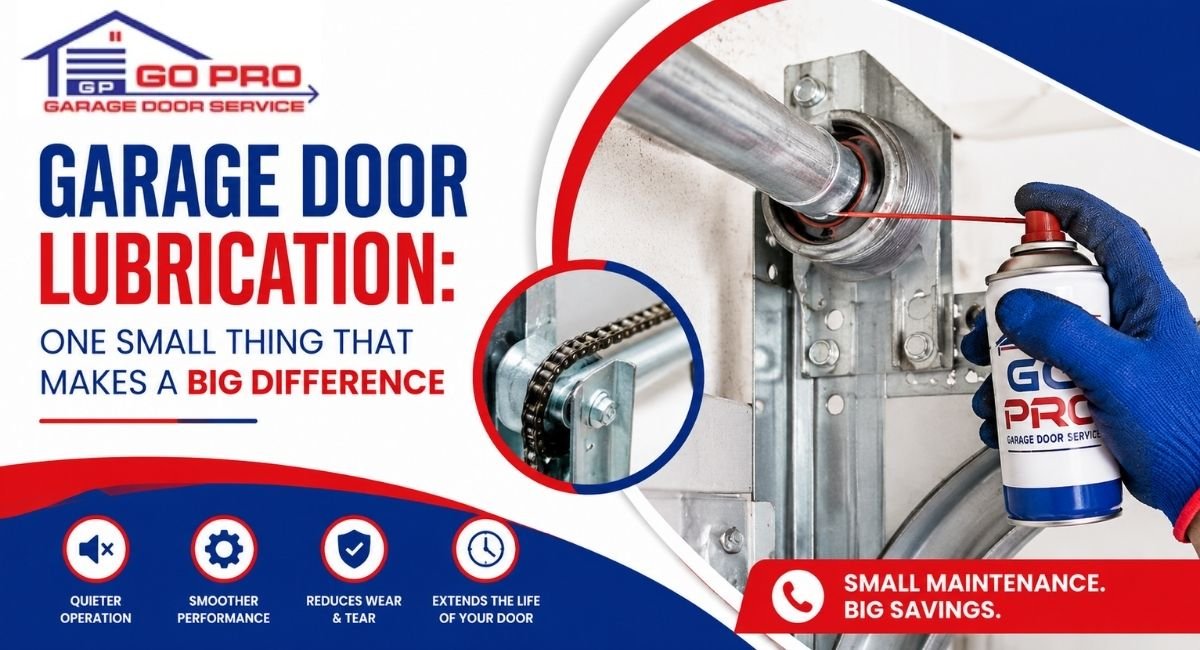
Most people don’t pay attention to their garage door until it starts sounding like it’s struggling every time it opens. First it’s a small squeak. Then a grinding noise. Eventually the whole thing starts shaking louder than usual.
A lot of the time, the problem isn’t serious at all. The system is simply overdue for proper garage door lubrication.
We run into this constantly during service visits. Homeowners assume they need major repairs when the moving parts have just been running dry for too long. Garage doors open and close hundreds, sometimes thousands, of times every year. Without regular maintenance, all that movement slowly creates friction and wear.
The good thing is that lubrication is one of the easiest ways to keep a garage door running smoothly without spending much money. Pairing lubrication with a professional garage door tune-up in Florida can also help catch small issues before they turn into major repairs.
Why Garage Doors Start Getting Loud Over Time
Garage doors have more moving parts than most people realize.
Every time the door moves, these components are working together:
- Rollers
- Hinges
- Bearings
- Springs
- Tracks
- Opener chain or screw drive
Over time, dust builds up, metal rubs against metal, and the parts lose the protection they need to move smoothly.
That’s when you start noticing:
- Squeaking
- Rattling
- Grinding sounds
- Slower movement
- Jerky operation
In many cases, proper garage door lubrication immediately improves the way the system sounds and moves.
If the noise continues even after maintenance, it could point to deeper problems that may require garage door repair in Orlando, FL or a full system inspection.
The Biggest Mistake Homeowners Make
One thing we see all the time is people grabbing random oil sprays sitting in the garage and using them on everything.
That usually creates more problems later.
The best garage door lubricant is typically a silicone-based or lithium-based spray designed specifically for garage door systems. These products reduce friction without attracting excessive dust and dirt buildup.
Lubricants to Use vs Avoid
| Recommended Lubricants | Lubricants to Avoid |
| Silicone-based spray | Motor oil |
| Lithium-based garage door spray | Cooking spray |
| Garage door spray lubricant | Thick grease |
| Low-residue maintenance sprays | Heavy industrial lubricants |
What you don’t want to use:
- Thick grease
- Motor oil
- Cooking spray
- Heavy industrial lubricants
A lot of those products feel helpful at first, but after a few months they collect dirt and turn sticky, especially around rollers and tracks.
How to Lube Garage Door Parts the Right Way
If you’ve been searching how to lubricate a garage door system properly, the process is actually pretty straightforward.
You don’t need to spray every visible part. The goal is to lubricate the areas where movement and friction happen most.
Here’s what usually matters most.
Hinges
The hinges flex every time the door moves.
A quick spray around the pivot points helps reduce squeaking and unnecessary strain.
You only need a light application here. More isn’t better.
Rollers
When people ask how to lubricate garage roller door systems, the rollers are usually the main reason.
The bearings inside the rollers need lubrication so they can rotate smoothly.
If you have nylon rollers, avoid spraying directly onto the nylon wheels themselves. Focus on the metal bearings instead.
If rollers are badly worn or damaged, lubrication alone may not solve the issue. In some cases, worn hardware can even cause a system to come off track and require garage door off-track repair.
Springs
Garage door springs also benefit from lubrication.
Spraying the spring coils lightly helps reduce friction during movement and can minimize creaking or snapping noises.
You’re not trying to soak them, just apply a light, even layer.
However, if the spring is already damaged or broken, lubrication won’t fix the problem. That situation usually requires professional broken spring replacement.
Bearings and Pivot Points
Anywhere metal rotates against metal can usually benefit from lubrication.
These small moving areas often get overlooked, but they experience constant stress during daily operation.
How to Grease Garage Door Tracks Without Causing Problems
This is where people often get confused.
If you’re researching how to grease garage door tracks, you might assume the tracks need heavy lubrication too.
Actually, most garage door tracks should stay mostly clean rather than greasy.
Tracks are meant to guide the rollers—not create slippery movement. Excess lubricant inside the tracks usually attracts dust and debris, which can make operation rougher over time.
Instead:
- Wipe tracks clean
- Remove buildup
- Use only minimal lubricant if recommended
Too much grease inside the tracks causes more issues than it solves.
If your tracks appear bent or uneven, the issue may go beyond maintenance and require professional repair.
Garage Door Spray Lubricant Usually Works Best
A proper garage door spray lubricant is generally easier and cleaner than thick grease products.
Spray lubricants:
- Reach tighter spaces
- Spread evenly
- Create less buildup
- Don’t attract as much dust
- Work better for routine maintenance
That’s why most technicians prefer spray lubricants for regular service work.
How Often Should You Lubricate a Garage Door?
Most homeowners don’t need to do this every month.
For typical residential garages, lubrication every few months is usually enough.
You may need more frequent maintenance if:
- The garage door gets heavy daily use
- You live in dusty conditions
- The system is older
- The door has started getting noisy faster than usual
Commercial garage doors usually require more regular maintenance because of constant operation throughout the day.
Homeowners in high-humidity areas like Winter Park, FL and DeLand, FL often notice hardware wear faster because moisture and debris can build up more quickly over time.
When Lubrication Won’t Solve the Problem
Sometimes homeowners lubricate the system and expect every issue to disappear immediately.
But lubrication only helps with friction-related wear.
It won’t fix:
- Broken springs
- Bent tracks
- Worn rollers
- Damaged hinges
- Failing opener motors
If the door still jerks, shakes, or struggles after maintenance, there may be mechanical problems underneath.
That’s usually when a proper inspection becomes necessary.
Many homeowners first notice these warning signs long before a major breakdown happens. If you’re unsure whether the issue is minor or serious, these common garage door repair signs can help you identify when professional service may be needed.
Small Maintenance Now Prevents Bigger Repairs Later
The majority of expensive garage door repairs don’t happen out of nowhere.
Usually the system starts giving small warning signs first:
- New noises
- Rough movement
- Extra vibration
- Delayed response
- Uneven opening
Regular maintenance helps catch those issues before they become major repairs.
A properly maintained garage door generally:
- Operates quieter
- Lasts longer
- Puts less strain on the opener
- Needs fewer emergency repairs
And honestly, lubrication is one of the easiest maintenance steps homeowners can stay on top of themselves.
DIY Maintenance Is Fine, Until It Stops Being Simple
Cleaning and lubrication are completely manageable for most homeowners.
But once the issue involves:
- Springs
- Cable tension
- Track alignment
- Electrical opener problems
…it’s usually smarter to stop there.
Garage doors are heavy systems under tension, and forcing damaged components can create bigger problems very quickly.
We’ve seen people accidentally burn out opener motors just because the door itself had underlying spring issues they didn’t realize were there.
If cables appear loose, frayed, or uneven during inspection, it’s safer to schedule professional garage door cable repair rather than attempting DIY adjustments.
What We Usually Tell Homeowners
If your garage door sounds rough but still moves normally, start by properly lubricating it.
A lot of the time, that alone improves:
- Noise
- Smoothness
- Vibration
- General operation
But if the system still struggles afterward, don’t ignore it. The longer worn components continue operating under stress, the more expensive the repair usually becomes later.
For homeowners needing local service, Go Pro Garage Door Service provides maintenance and repair solutions throughout Orlando, FL, Winter Park, FL, and DeLand, FL.
FAQs
What is the best garage door lubricant to use?
Silicone-based and lithium-based garage door lubricants usually work best because they reduce friction without collecting excessive dust.
How often should I lube garage door parts?
For most homes, every 4–6 months is enough unless the door gets heavy use.
Can I use grease on garage door tracks?
Heavy grease inside tracks is usually not recommended because it attracts dirt buildup.
Why is my garage door still noisy after lubrication?
The issue may involve worn rollers, damaged hinges, spring problems, or opener components rather than dry parts alone.
What’s the easiest way to lubricate garage roller door systems?
Apply lubricant lightly to the roller bearings and moving hardware while avoiding over-spraying the tracks.
Need Help With Garage Door Lubrication?
If your garage door still sounds rough or shakes during movement, it may need professional attention. If the system hasn’t been serviced in years, the problem can gradually get worse over time. Go Pro Garage Door Service can inspect the system, identify the issue, and help keep your garage door operating safely and smoothly again. You can also explore our full range of garage door services for repairs, tune-ups, installations, and ongoing maintenance.